Fiction books are often seen as a form of escape, a way to disconnect from reality and lose ourselves in imagined worlds. But what if they could also help us grow as individuals? What if, through the pages of a novel, we could gain insights into ourselves, develop emotional intelligence, and become more reflective and self-aware?
In this post, we’ll explore how fiction can do more than entertain. It can challenge our beliefs, spark personal growth, and provide powerful moments of self-reflection that can guide us toward positive change. So let’s dive into how fiction books can inspire personal growth and reflection—and how you can use them as tools for self-improvement.
1. Fiction Opens New Perspectives and Builds Empathy
One of the most profound ways fiction helps us grow is by expanding our empathy. When we read fiction, we step into the shoes of characters who are often vastly different from ourselves. We experience their struggles, joys, and triumphs. This enables us to see the world through someone else’s eyes and consider perspectives we might never encounter in our everyday lives.
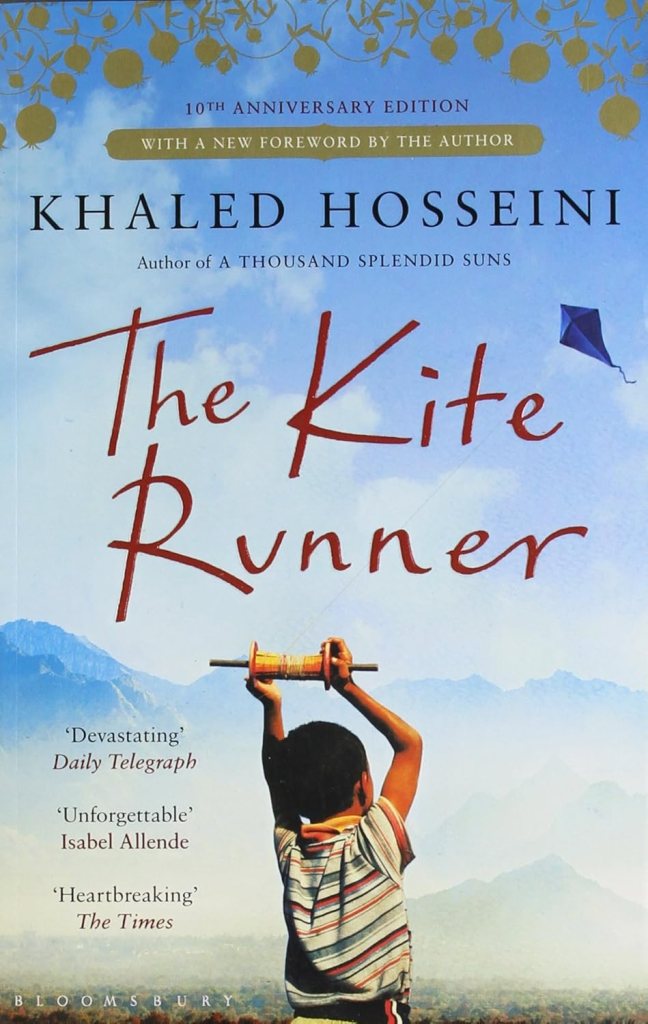
For example, in “The Kite Runner” by Khaled Hosseini, we follow the journey of Amir, a young boy from Kabul, who navigates issues of loyalty, guilt, and redemption. Through Amir’s relationship with Hassan, his servant, the novel explores themes of social class, ethnicity, and forgiveness. The book invites readers to reflect on their own values and empathy toward others, particularly those from different social or cultural backgrounds.
Action Tip: Choose books that explore different cultures, historical contexts, or social issues you might not be familiar with. Whether it’s a literary classic or contemporary fiction, ask yourself how the character’s experiences resonate with your own, and reflect on how they might challenge or expand your views.
2. Fiction as a Mirror for Your Inner World
At its best, fiction serves as a mirror, reflecting aspects of our inner lives—our desires, fears, and values. The characters in novels often face dilemmas, uncertainties, and personal growth arcs that closely mirror the struggles we experience in real life. By reading about their internal battles, we can better understand our own thoughts, feelings, and life choices.
In “The Bell Jar” by Sylvia Plath, the protagonist, Esther Greenwood, struggles with mental illness, identity, and societal pressures. As she contemplates her place in the world and faces a crisis of self-worth, readers are given a powerful window into the fragility of the human mind. The book’s portrayal of Esther’s emotional turmoil is a reminder that, sometimes, confronting our darkest thoughts can lead to self-discovery and healing.

Action Tip: After finishing a novel, take a moment to reflect on how the characters’ experiences resonated with you. Did you see parallels between their challenges and your own? Use these insights to reflect on your own choices and growth—are there areas of your life where you can make different decisions or approach things from a new angle?
3. Fiction Builds Emotional Intelligence
Emotional intelligence (EQ) is a crucial skill that helps us navigate life’s ups and downs. It’s the ability to recognize, understand, and manage our emotions, as well as the emotions of others. Fiction is a great tool for building emotional intelligence because it allows us to explore complex emotional landscapes through the experiences of characters.
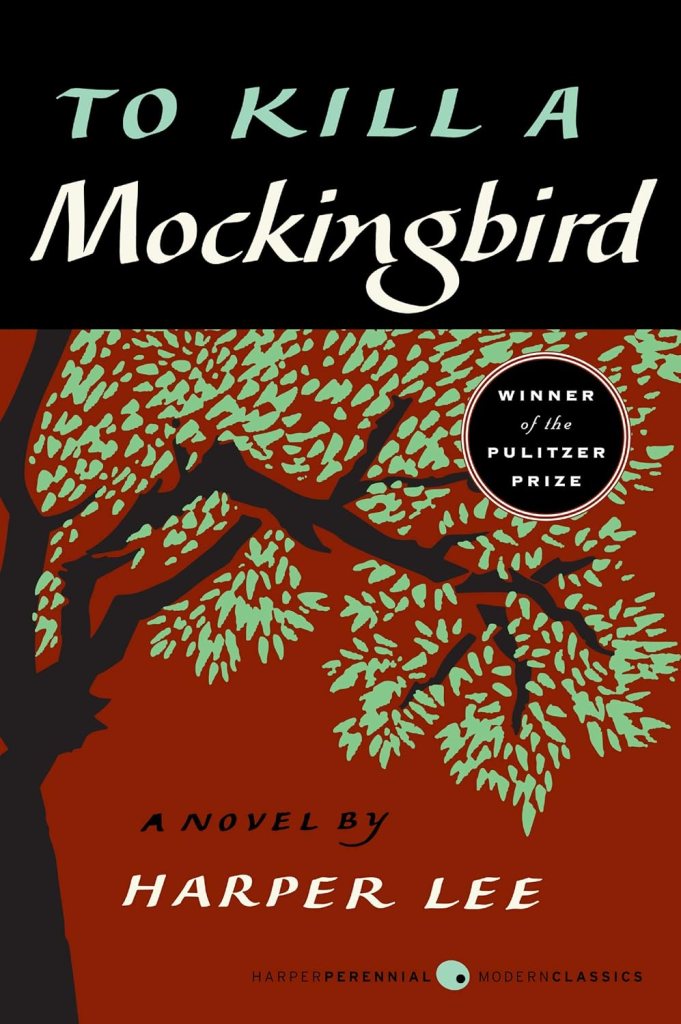
For example, in “To Kill a Mockingbird” by Harper Lee, we witness the growth of Scout Finch, who learns about morality, racial prejudice, and the complexities of human nature through the eyes of her father, Atticus Finch. The novel’s portrayal of empathy, fairness, and understanding of others’ emotions is a great reminder of how emotional intelligence is key to navigating our relationships and the world around us.
Action Tip: Pay close attention to the emotional arcs of the characters in your books. How do they respond to conflict or hardship? What emotional decisions do they make, and how do these decisions shape their journey? Reflect on your own emotional responses to life’s challenges and consider how you can build greater emotional awareness and resilience.
4. Fiction Sparks Personal Development and Change
One of the most inspiring aspects of fiction is its potential to encourage personal development. Many novels feature characters who undergo significant transformation. Whether they’re overcoming personal struggles, learning new skills, or developing a greater sense of purpose, their growth can inspire us to examine our own lives and make changes for the better.
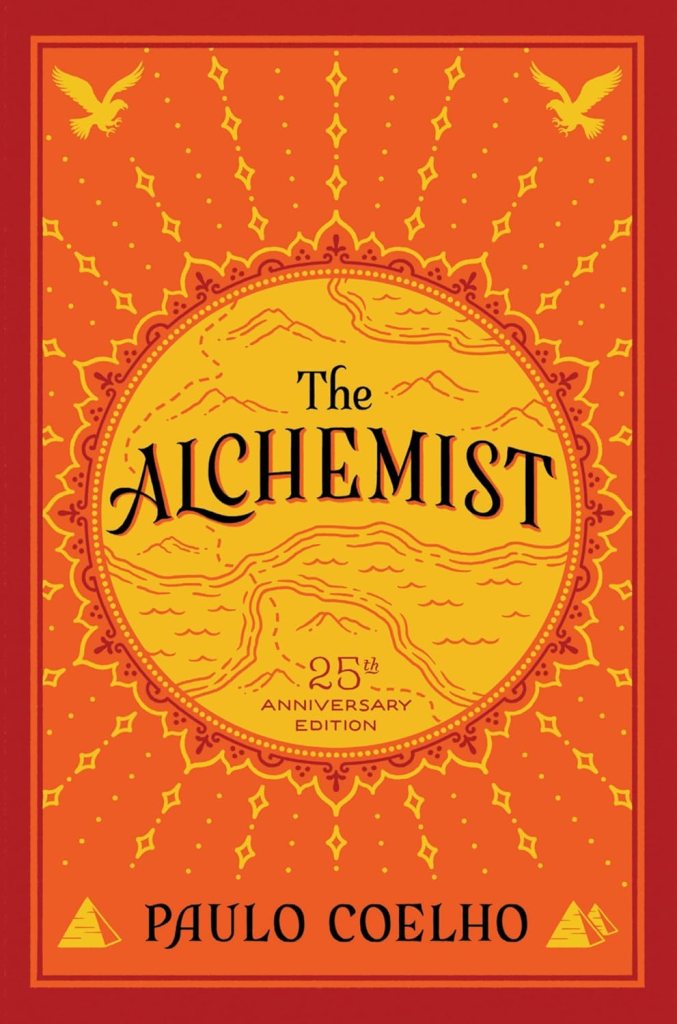
Take “The Alchemist” by Paulo Coelho, where Santiago, a young shepherd, embarks on a journey to find treasure and uncover the meaning of his life. Along the way, he learns to trust his intuition, pursue his dreams, and overcome obstacles. Santiago’s transformation is a powerful reminder that personal growth often requires self-discovery, persistence, and the courage to take risks.
Action Tip: Identify a character whose personal growth resonated with you. What specific actions or mindset shifts led to their transformation? How can you apply similar lessons to your own life? Whether it’s taking more risks, practicing self-compassion, or committing to a long-term goal, fiction can be a roadmap for your own development.
5. Fiction Challenges and Explores Core Themes of Life
Fiction is also an excellent tool for exploring universal themes of life—identity, morality, love, loss, justice, and freedom. Many novels delve deep into these big questions, often presenting characters with moral dilemmas or situations that force them to confront their values. These stories invite us to reflect on our own beliefs and actions, and sometimes even push us to rethink what we stand for.
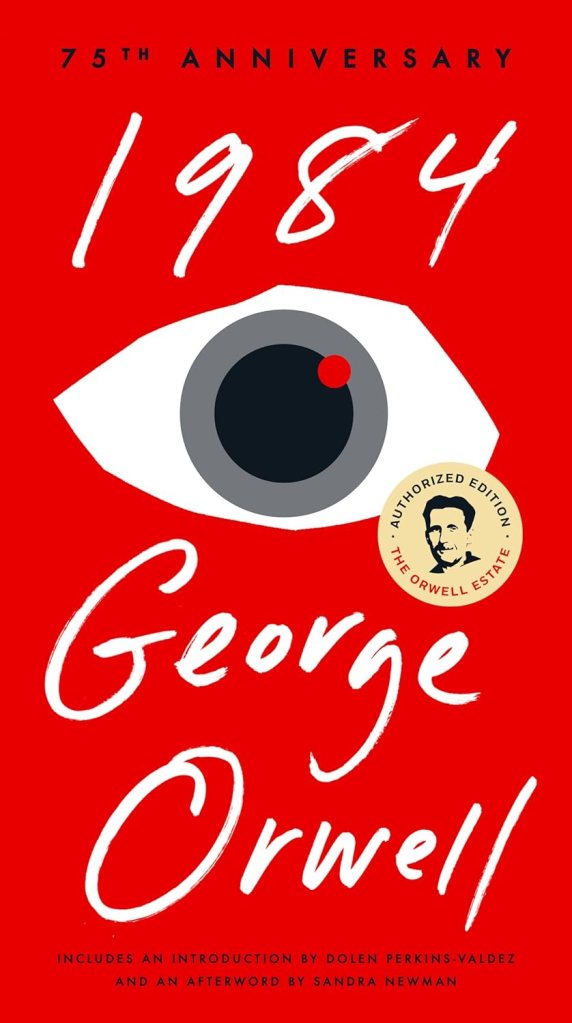
Consider “1984” by George Orwell, a dystopian novel that explores themes of government surveillance, personal freedom, and the dangers of totalitarianism. Through Winston Smith’s rebellion against an oppressive regime, the book prompts readers to reflect on their own views about power, freedom, and individuality. Orwell’s exploration of these themes is a powerful reminder of the importance of personal autonomy and the perils of unchecked authority.
Action Tip: After reading a book with strong thematic elements, pause to reflect on the core messages it explores. What ethical dilemmas or societal issues did it bring up? How do these themes resonate with your own life or worldview? Use these reflections as a tool for developing your own moral compass and personal philosophy.
6. Fiction Provides a Mental Escape for Clarity and Rejuvenation
Sometimes, the best way to gain clarity about our own lives is to step away from them for a while. Fiction provides a healthy mental escape, offering us the opportunity to reset and recharge. By immersing ourselves in a different world, we allow our minds to relax, which can often lead to new insights and perspectives on our own challenges.
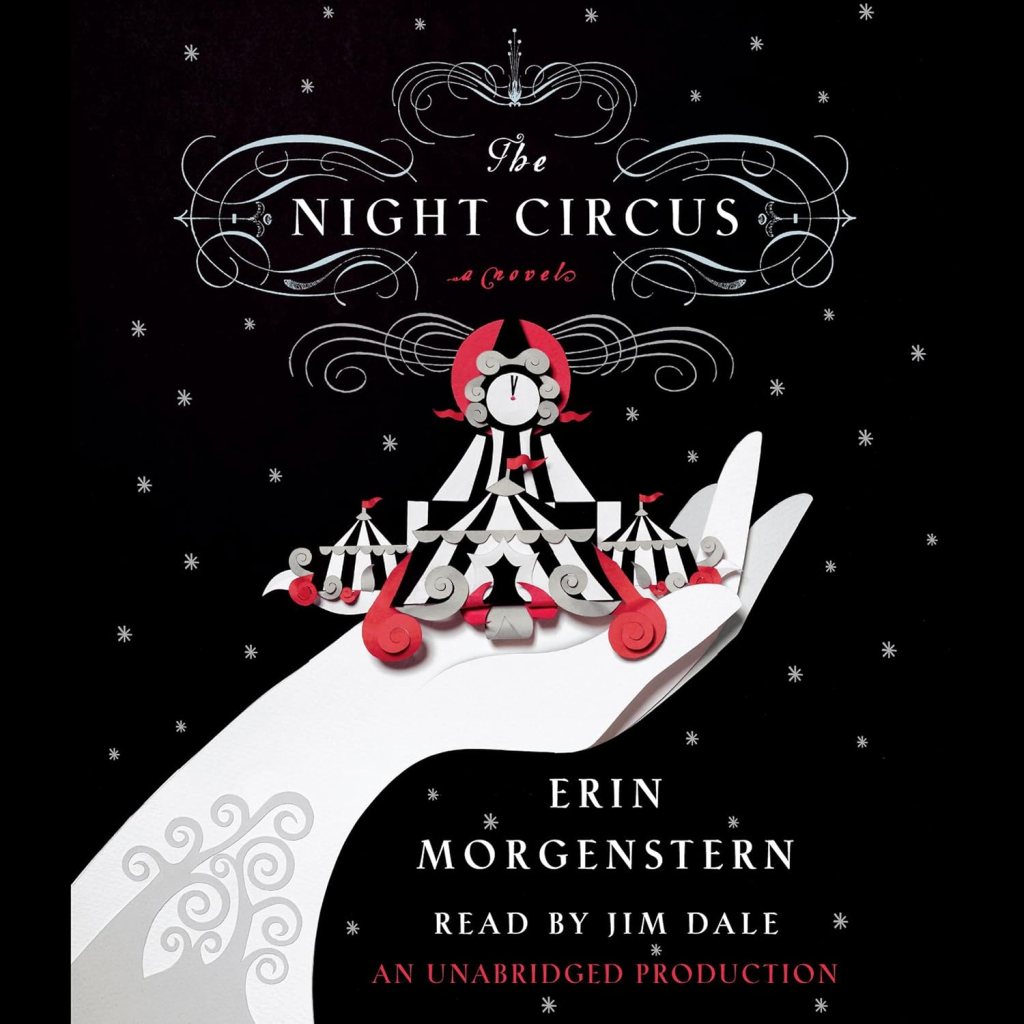
For example, “The Night Circus” by Erin Morgenstern takes readers into a magical world of wonder and mystery. The novel’s fantastical elements provide a break from the mundane, allowing us to temporarily disconnect from everyday stress. This mental escape can provide much-needed clarity and rejuvenation when we return to our own challenges.
Action Tip: Set aside time each week for reading fiction as a form of mental rejuvenation. Use this time not only to escape but to reflect on your own thoughts and experiences. You might be surprised by the insights that come to the surface when you allow your mind to wander in a different world.
Conclusion: Embrace Fiction as a Path to Personal Growth
Fiction books are far more than stories—they are powerful tools for self-reflection, emotional growth, and personal development. By diving into the lives of fictional characters, we gain new perspectives, build emotional intelligence, and confront our own fears and desires. Fiction offers us the space to reflect on our values, challenge our assumptions, and spark the kind of change we want to see in our lives.
So, the next time you pick up a book, don’t just read for entertainment. Use it as a tool for personal growth. Let the characters and themes inspire you, reflect on the lessons they offer, and embrace fiction as a guide on your journey to becoming the best version of yourself.
What fiction books have helped you grow or inspired reflection? Share your thoughts in the comments below!
 VD
VD 
Leave a comment