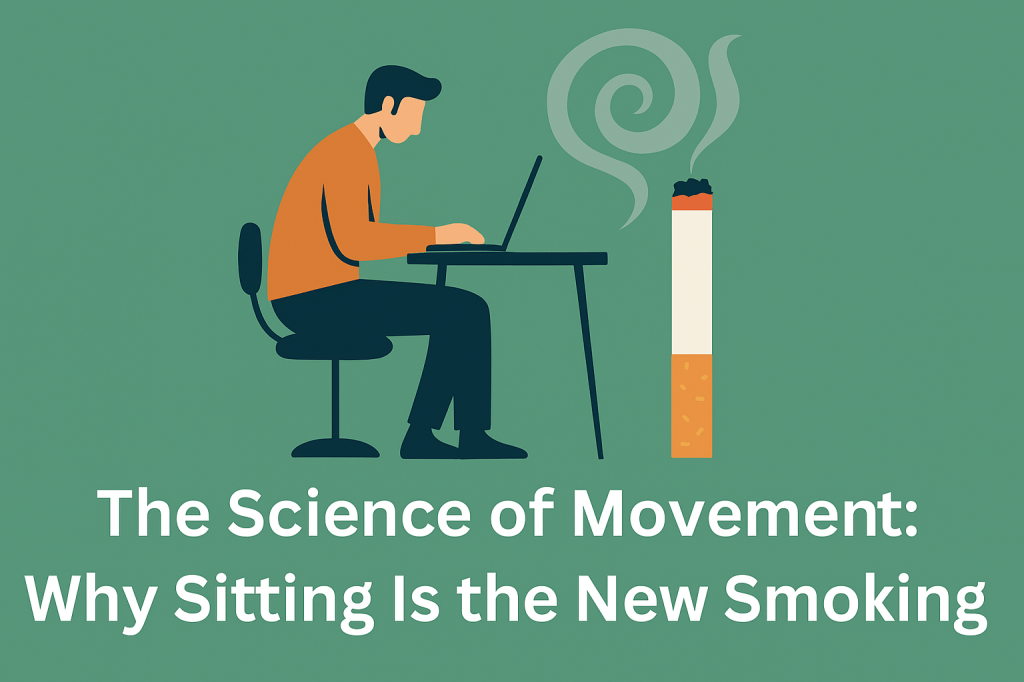
In today’s fast-paced, screen-dominated world, many of us find ourselves sitting for extended periods—whether at a desk, in front of the TV, or scrolling through our phones. While it may seem harmless, recent studies have shown that sitting for long periods can have profound negative effects on our health. In fact, experts now refer to sitting as “the new smoking” because of the alarming similarities between the health risks of prolonged sitting and smoking.
While this comparison may sound extreme, research has uncovered startling truths about the detrimental impact of a sedentary lifestyle. The good news is that, just like smoking, the risks associated with sitting can be mitigated with regular movement. In this post, we’ll explore why sitting is so harmful, the science behind it, and how movement can reverse its effects, improving your overall health and well-being.
1. The Hidden Dangers of Sitting for Long Periods
We all know that sitting feels comfortable—after all, it’s easy to get cozy at your desk, binge-watch your favorite shows, or relax with your phone in hand. But, unfortunately, the human body wasn’t designed for prolonged inactivity. Sitting for extended periods is linked to several chronic health issues, including:
- Heart Disease: Research has consistently shown that sedentary behavior increases the risk of cardiovascular disease. When you sit for long periods, your body’s ability to regulate blood flow, cholesterol, and blood sugar levels decreases. Sitting causes your muscles to “shut down,” making it harder for your body to clear fat from your bloodstream. Over time, this contributes to a higher risk of heart disease.
- Obesity and Type 2 Diabetes: Sitting for hours on end slows down your metabolism, reducing the number of calories you burn. As a result, your body is less efficient at burning fat, leading to weight gain. Sitting also increases insulin resistance, a key factor in the development of type 2 diabetes. Studies show that people who sit for more than six hours a day are at a higher risk of developing obesity and diabetes, even if they exercise regularly.
- Back and Neck Pain: Long hours of sitting, especially with poor posture, put strain on your spine and muscles. This can result in discomfort, stiffness, and chronic pain. Sitting for long periods puts pressure on the discs in your lower back and can cause misalignment in your spine. Over time, this can lead to permanent damage and issues with mobility.
- Shortened Lifespan: The most alarming statistic is that sitting for prolonged periods is linked to a shorter lifespan. A study published in the JAMA Internal Medicine found that those who sat for more than 11 hours a day had a significantly higher risk of dying from any cause, even if they exercised regularly. Sitting for long periods has a direct impact on your health, regardless of how much physical activity you engage in.
2. Why Sitting Is the New Smoking
The comparison between sitting and smoking comes from the fact that both behaviors are linked to similar long-term health risks. When you sit for hours on end, your body enters a state of inactivity. This is similar to how smoking affects the body by impairing normal function—both reduce your body’s ability to function optimally over time.
One of the primary reasons sitting is so harmful is that it slows circulation. Just like smoking restricts blood flow to organs, prolonged sitting causes your blood flow to slow down, increasing the likelihood of blood clots, varicose veins, and deep vein thrombosis (DVT). This is because when you sit, your muscles aren’t engaged, and the blood is less efficiently circulated throughout the body. Smoking has a similar effect by reducing circulation and oxygen flow.
Both sitting and smoking also contribute to chronic inflammation in the body, a key factor in many diseases, including heart disease and diabetes. In fact, studies show that the inflammatory markers in the blood of people who sit for long periods are comparable to those found in smokers. This inflammation can build up over time, leading to serious health problems.
3. The Science of Movement: How It Reverses the Damage
The good news is that the negative effects of sitting can be mitigated with regular movement. Movement helps counteract the damage caused by prolonged inactivity in several important ways:
- Improved Circulation: One of the most significant benefits of movement is increased blood flow. When you move, your muscles contract, helping to pump blood through your body. This prevents blood from pooling in your legs and feet, which is common during long periods of sitting. Exercise and movement also stimulate your heart and lungs, improving overall circulation.
- Reduced Inflammation: Regular physical activity reduces inflammation in the body. Studies have shown that even a brief burst of exercise can lower markers of inflammation. By moving regularly, you can help reduce the chronic inflammation caused by sitting and lower your risk of diseases like cardiovascular disease and diabetes.
- Increased Calorie Burn: When you sit for long periods, your metabolism slows down. But when you move, even if it’s just walking or stretching, you increase your calorie burn. This helps maintain a healthy weight and prevents the weight gain that often accompanies sedentary behavior. Movement boosts your metabolism, helping to regulate blood sugar levels and maintain a healthy body weight.
- Strengthened Muscles and Better Posture: Movement is essential for strengthening muscles, particularly those that support the spine. Sitting for extended periods weakens the muscles in your back and core, which can lead to poor posture and back pain. Movement, such as stretching, walking, or strengthening exercises, helps improve posture and reduces the risk of back pain. It also improves flexibility and mobility.
4. Easy Ways to Get Moving Throughout Your Day
Incorporating movement into your daily routine doesn’t require a gym membership or intense workouts. Even small changes can have a significant impact on your health. Here are some simple ways to reduce sitting time and incorporate more movement into your day:
- Take Frequent Breaks: If your job involves sitting for long hours, make it a point to stand up and move every 30 minutes. Set a timer to remind yourself to stretch, walk around, or do some light exercises. Even standing for just a minute or two can stimulate circulation and improve your posture.
- Use a Standing Desk: If you work from home or in an office, consider using a standing desk or a convertible desk that allows you to alternate between sitting and standing. This can help reduce the negative effects of prolonged sitting and improve your energy levels.
- Walk or Cycle Instead of Driving: Whenever possible, opt for walking or cycling instead of driving. If your commute allows it, try walking to work or parking farther from your office to get in some extra steps. Even small daily walks add up and can improve your overall health.
- Stretch and Move During TV Time: Watching TV is often associated with sitting, but you can turn this time into an opportunity to move. Try stretching, doing yoga poses, or even walking around your living room during commercial breaks or between episodes.
- Take the Stairs: If you work in a building with stairs, choose the stairs over the elevator. Climbing stairs strengthens your leg muscles and improves cardiovascular health.
5. Conclusion: The Key to Health Is Movement
The evidence is clear: sitting for long periods is detrimental to your health, and its risks are comparable to smoking. However, the good news is that by incorporating more movement into your day, you can reverse many of the harmful effects of sitting. Movement improves circulation, reduces inflammation, burns calories, and strengthens muscles—leading to a healthier, longer life.
So, whether you’re working at a desk, watching TV, or scrolling through your phone, remember that movement is the antidote to the dangers of sitting. Make a conscious effort to move more and sit less. Your body—and your overall well-being—will thank you for it.
How do you stay active during the day? Share your tips and routines in the comments below!
 VD
VD 
Leave a comment