The human nervous system plays a critical role in our daily lives. From managing basic bodily functions to facilitating complex cognitive processes, it serves as the communication center that regulates how we interact with the world. Given its essential role, optimizing your nervous system is one of the most powerful ways to improve both your mental and physical well-being.
When your nervous system functions optimally, you experience enhanced focus, reduced stress, improved performance, and better overall health. Whether you’re an athlete, a busy professional, or simply someone looking to feel better on a daily basis, understanding how to support your nervous system is key to unlocking your highest potential. In this guide, we’ll walk you through the science behind the nervous system, its connection to performance and health, and actionable strategies to optimize it for peak functioning.
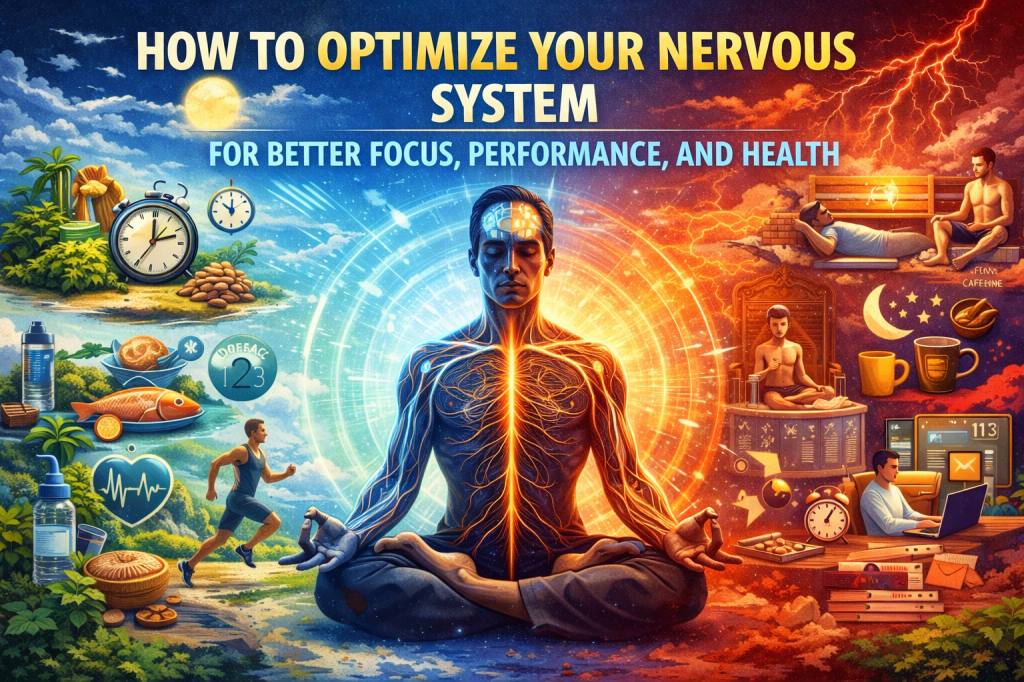
1. Understanding the Nervous System: The Foundation of Our Health
The nervous system consists of two main parts:
- The Central Nervous System (CNS): This includes the brain and spinal cord, which control and coordinate all body activities.
- The Peripheral Nervous System (PNS): This includes all the nerves that branch out from the spinal cord to the rest of the body, transmitting information between the body and the brain.
Within the PNS, the autonomic nervous system (ANS) is of particular importance when discussing stress, performance, and health. The ANS has two branches:
- Sympathetic Nervous System (SNS): Often referred to as the “fight or flight” system, it’s activated when you’re under stress or need to respond quickly to danger.
- Parasympathetic Nervous System (PNS): This is the “rest and digest” system, which helps calm the body down after stress and promotes healing and relaxation.
An optimized nervous system strikes the right balance between these two systems. If you’re constantly in “fight or flight” mode (SNS dominance), it can lead to burnout, anxiety, and poor performance. On the other hand, an overactive parasympathetic system (PNS dominance) can lead to lethargy and a lack of motivation.
2. How the Nervous System Affects Focus and Performance
Your nervous system has a profound impact on both your mental focus and physical performance. The way your brain processes information and reacts to stress is determined by how well your nervous system is functioning. Here’s how it connects to both:
- Focus and Clarity: When the nervous system is well-balanced, it helps maintain optimal brain function, leading to clearer thinking and better concentration. Stress, on the other hand, can overload the nervous system, making it harder to focus and increasing mental fatigue.
- Performance: Whether you’re an athlete or a professional, the performance of your body and mind depends on how effectively your nervous system can regulate stress, focus, and physical coordination. A well-optimized nervous system leads to quicker reflexes, better decision-making, and enhanced productivity.
- Health: Chronic stress or a dysfunctional nervous system can contribute to long-term health issues like cardiovascular disease, digestive problems, insomnia, and weakened immune function. A balanced nervous system helps you maintain overall health and recover faster from illness or injury.
3. Actionable Strategies to Optimize Your Nervous System
Optimizing your nervous system is not an overnight task. It requires consistency, awareness, and intentional practices. Below are actionable steps you can take to keep your nervous system in peak condition:
A. Manage Stress with Mindfulness and Breathing Techniques
Chronic stress is one of the leading causes of nervous system imbalance. To regain control and reduce the negative impact stress has on your health and performance, mindfulness and deep breathing exercises can be powerful tools.
- Mindfulness Meditation: Mindfulness helps to calm the mind, lower cortisol levels (the stress hormone), and activate the parasympathetic nervous system. Spending just 10-15 minutes a day practicing mindfulness can significantly reduce stress and improve focus.
- Deep Breathing: Techniques like diaphragmatic breathing or the 4-7-8 method can help reset your nervous system. Deep breathing activates the parasympathetic nervous system and promotes relaxation, counteracting the effects of stress.
B. Prioritize Sleep for Nervous System Recovery
Sleep is essential for nervous system health. During deep sleep stages, your brain and body repair and regenerate, restoring balance to the autonomic nervous system. Sleep deprivation can lead to an overstimulated sympathetic nervous system, impairing cognitive function and performance.
- Sleep Hygiene: To improve sleep quality, avoid caffeine in the late afternoon, limit screen time before bed, and create a relaxing nighttime routine. Aim for 7-9 hours of quality sleep each night.
- Power Naps: If you’re feeling drained during the day, a 10-20 minute power nap can help reset your nervous system and restore focus and energy without interfering with nighttime sleep.
C. Regular Physical Exercise
Exercise is one of the best ways to optimize your nervous system. It not only helps reduce stress but also improves brain function, focus, and emotional regulation. Certain types of exercise are especially beneficial for balancing the nervous system:
- Aerobic Exercise: Activities like running, swimming, or cycling help release endorphins, the body’s natural mood-boosters, and reduce the effects of stress on the nervous system.
- Strength Training: Resistance training supports overall nervous system health by improving neural efficiency and enhancing motor function.
- Yoga: Yoga combines physical movement, breathing exercises, and mindfulness, making it one of the most effective ways to balance the nervous system.
D. Nutrition for Nervous System Health
What you eat plays a significant role in supporting your nervous system. Poor nutrition, such as high sugar intake or nutrient deficiencies, can hinder brain function and cause nervous system imbalances. To optimize your nervous system, focus on a nutrient-rich diet that supports brain health.
- Omega-3 Fatty Acids: Found in fatty fish like salmon, omega-3s are essential for brain function and nervous system health.
- Magnesium: Magnesium helps regulate the nervous system, reducing anxiety and promoting better sleep. Foods rich in magnesium include spinach, almonds, and avocados.
- B Vitamins: B vitamins, particularly B6, B12, and folate, are crucial for nervous system health and mental clarity. They can be found in foods like eggs, leafy greens, and legumes.
- Hydration: Staying hydrated is vital for brain function. Dehydration can impair cognitive performance and mood regulation, so aim to drink plenty of water throughout the day.
E. Cold Exposure and Heat Therapy
While this might sound unconventional, cold exposure and heat therapy can have a significant impact on your nervous system. Techniques like cold showers, ice baths, and saunas can help regulate your nervous system and improve your resilience to stress.
- Cold Exposure: Cold exposure can activate the vagus nerve, promoting parasympathetic nervous system activity. Start with cold showers or ice baths to improve circulation and reduce inflammation.
- Heat Therapy: Saunas and hot baths help relax the muscles and soothe the nervous system by increasing blood flow and promoting relaxation.
F. Limit Stimulants and Manage Screen Time
Overconsumption of stimulants like caffeine and constant exposure to screens can overstimulate the nervous system, leading to heightened anxiety and poor sleep. To optimize your nervous system, limit your intake of caffeine, especially in the afternoon, and set boundaries on screen time—particularly before bed.
4. The Long-Term Benefits of an Optimized Nervous System
When you consistently implement strategies to optimize your nervous system, you can expect a range of long-term benefits that positively affect both your performance and overall health:
- Improved Focus: A balanced nervous system promotes mental clarity, making it easier to concentrate and stay productive.
- Enhanced Performance: Whether at work or in sports, a well-optimized nervous system supports better decision-making, quicker reactions, and reduced fatigue.
- Better Health: Long-term benefits include improved cardiovascular health, a stronger immune system, better sleep, and reduced risk of chronic illnesses linked to stress, such as anxiety and depression.
Conclusion
Optimizing your nervous system isn’t just about reducing stress; it’s about creating a holistic approach that nurtures your brain, body, and overall well-being. By prioritizing mindfulness, exercise, nutrition, and healthy lifestyle choices, you can achieve better focus, improved performance, and long-term health. Start implementing these strategies today, and you’ll soon experience the life-changing benefits of a balanced, well-functioning nervous system.
 VD
VD 
Leave a reply to How to Build a Healthy Morning Routine for Wealth, Focus, and Productivity – VD Cancel reply